
















Wireless industry leaders gathered October 5 at The Ritz-Carlton, Pentagon City, in Arlington, Virginia, to celebrate five individuals whose careers helped shape the networks, businesses and infrastructure behind modern wireless communications.
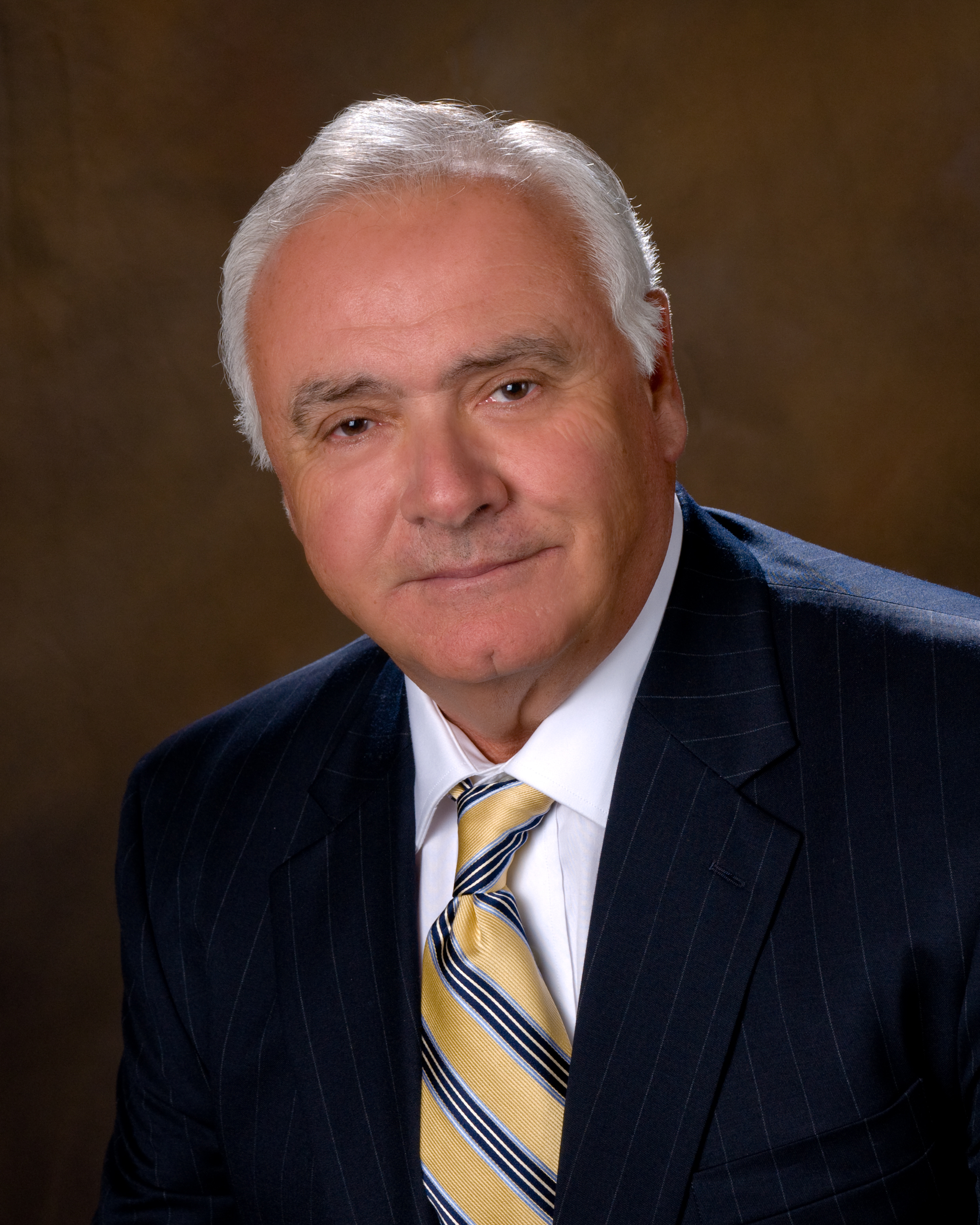
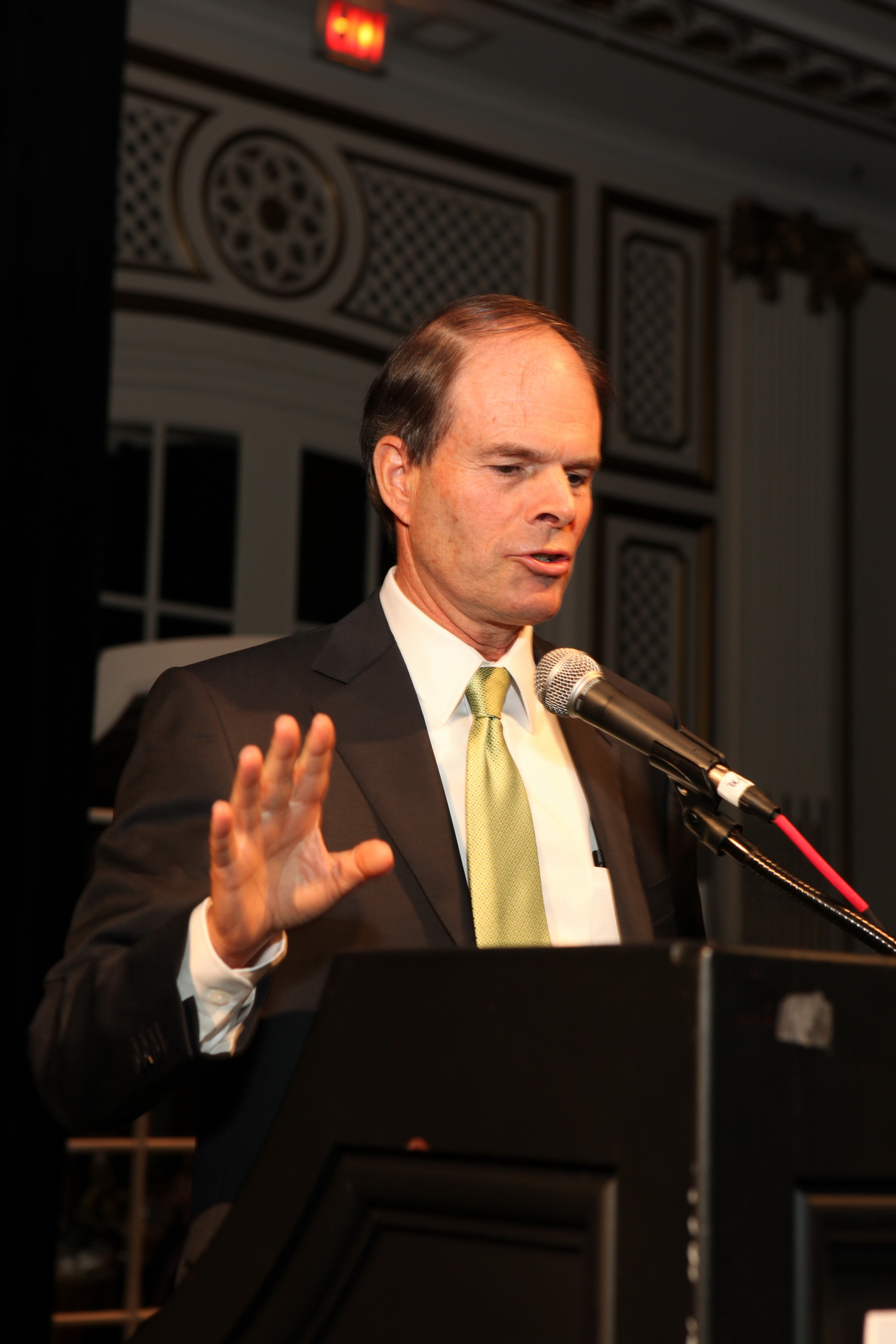
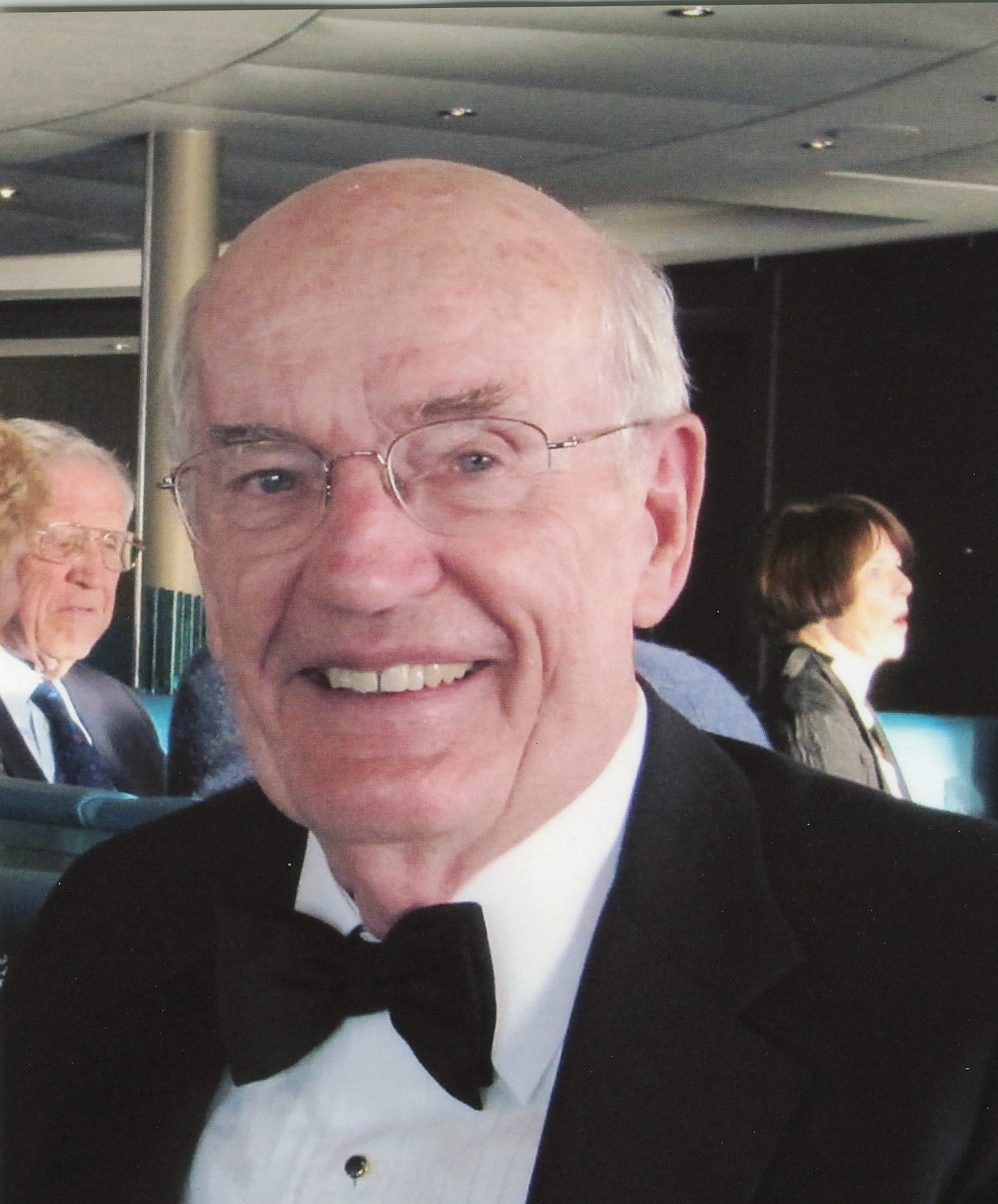
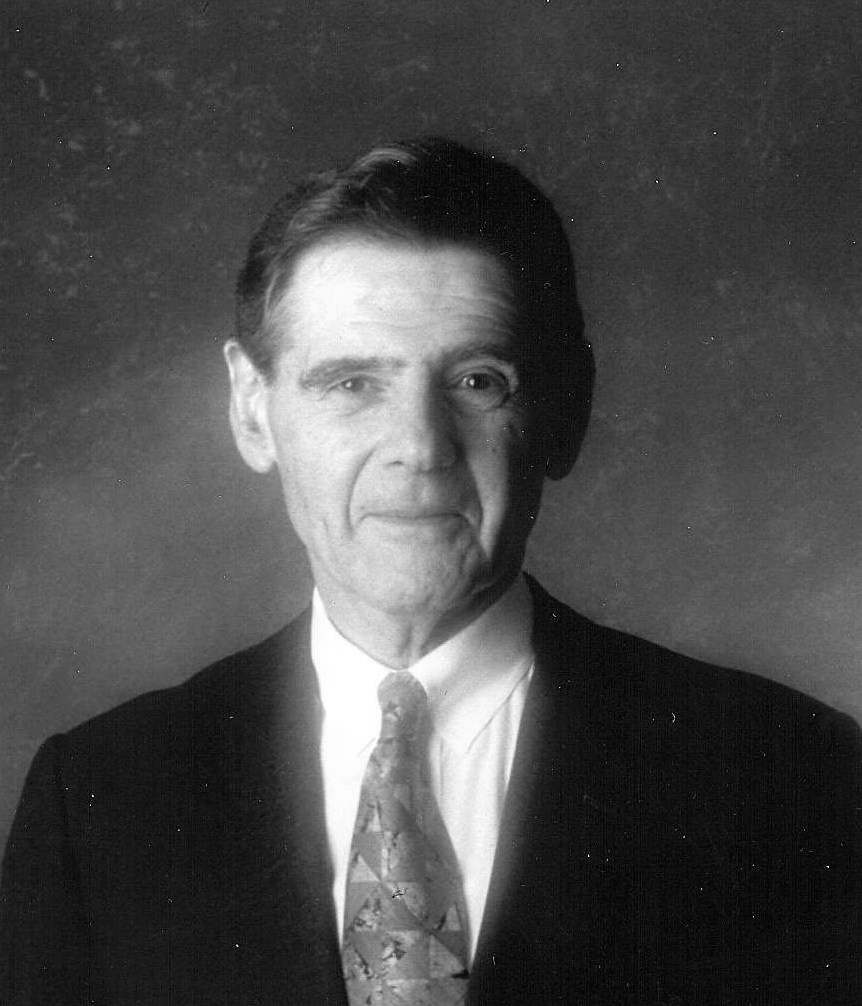
The Wireless History Foundation’s 2026 Wireless Hall of Fame Awards Dinner honored Brian Boyle, Jim Bugel, John DeFeo, Julius Knapp and Craig Snyder. The evening brought together industry luminaries and their peers to recognize contributions spanning finance, nationwide network growth, public safety, spectrum policy, cellular marketing and tower safety.

John R. Janowiak, the foundation’s president and CEO, welcomed attendees with a message connecting the industry’s history to its next generation of leaders.
He said that the evening was set aside to celebrate five individuals whose work shaped the industry that connects nearly every part of modern life.
He also thanked supporters for helping the foundation preserve the honorees’ stories and the milestones that define wireless innovation.
The evening’s theme reached beyond recognition of past accomplishments: preserving the experiences of wireless pioneers so that tomorrow’s leaders can build on them. The foundation keeps that history alive not simply to honor where the industry has been, but to inspire where it can go next.
Founded in 2000, the Wireless Hall of Fame recognizes leaders whose vision, ingenuity and perseverance advanced the industry. The foundation carries that mission beyond the annual dinner through its digital archives, wireless timeline and scholarship program.

2026 HONOREES
John E. DeFeo
Presented by:
Tom Wheeler, Former Chairman, Federal Communications Commission
Former President and CEO, Cellular Telecommunications & Internet Association
Wireless Hall of Fame Member 2003

John DeFeo is an entrepreneurial executive whose career of more than 50 years has ranged from building early cellular businesses to launching international wireless ventures, developing telecommunications ventures, advising technology companies, and investing in the next generation of communications businesses. Across wireless communications, venture capital investing, and technology development, he has combined technical grounding, capital markets expertise, and operational discipline.
In 1983, he joined U S West NewVector Group, ultimately serving as CMO, President, and CEO. Under his leadership, NewVector became one of the country’s significant early cellular operators, expanding its operations across numerous domestic markets. During his tenure as President and CEO, NewVector completed a $200 million public offering in 1988, one of the significant early public financings in the U.S. wireless industry. He also helped position the company for the subsequent evolution of U S West’s wireless business and its eventual acquisition by merging with AirTouch.
Following his tenure at NewVector, John co-founded U.S. AirWaves to build a national Personal Communications Service network, raising venture capital and pursuing licenses in numerous U.S. markets. When prices in the FCC’s C-Block auction reached levels he believed were economically unsustainable, he withdrew from the bidding, preserving investor capital and demonstrating the disciplined investment approach that characterized his career. He subsequently co-founded Incepta Ventures, a telecommunications venture fund investing in early- and mid-stage telecommunications companies in North America and Europe. Later, as President, CEO, and Chairman of CoCo Communications Corp., he led the development and marketing of advanced wireless networking software designed to enable interoperability among communications systems for defense, public-safety, and commercial applications.
Since 1996, John has led John E. DeFeo Venture Advisors, LLC, advising clients, including Bechtel, and other technology and telecommunications companies on strategy, growth, and business development. He has served on the board of the Cellular Telephone Industry Association (CTIA) and in leadership and advisory roles with industry organizations, including the National Electrical Manufacturers Association (NEMA).
John received multiple U S West Chairman’s Achievement Awards for leadership excellence and the FAA Wright Brothers Master Pilot Award. He holds a BBA in Business Administration and an associate’s degree in electrical engineering from Temple University and has completed executive programs at the Wharton School of Business, Harvard University, and GE.
Brian E. Boyle
Presented by:
Rajendra Singh, Co-Founder and Principal, Telcom Ventures, LLC
Wireless Hall of Fame Member 2012
and Neera Singh, Co-Founder and Principal, Telcom Ventures, LLC
Wireless Hall of Fame Member 2022

Brian Boyle was at the forefront of efforts to establish the operational, financial, and security foundations of the U.S. wireless industry during its formative years. His entrepreneurial career spans the early emergence of cellular technology through the evolution of mobile payments and digital commerce, with a consistent focus on anticipating industry constraints before they became barriers to growth.
In 1974, Brian founded his first enterprise software company in the Boston area, applying advanced computing and analytical techniques to complex business problems. Beginning in 1984, Brian devoted his efforts to wireless, combining technical expertise with an understanding of business processes and risk management. In 1986, through Appex, he helped develop and launch an early network-based roaming fraud prevention system. At the time, roaming fraud posed a serious threat to nationwide mobile service, particularly for independent cellular operators. Appex’s systems helped protect roaming operations and revenues at a critical stage of industry expansion.
As cellular phones transitioned from enterprise tools to consumer products, Brian continued to address emerging industry needs. In 1985, he co-founded Boyle Leasing Technologies, later renamed MicroFinancial, where he served as CEO and then Chairman until the company’s public offering on the NYSE in 1999. At a time when handset prices often exceeded $1,000, MicroFinancial applied micro-ticket leasing and monthly payment plans to make technology equipment more accessible to businesses and consumers.
By the early 1990s, expanding retail distribution created new challenges for carriers. Cellular subscribers were essentially borrowing expensive hardware and paying for usage after the fact, making many of them high default risks, while traditional credit bureaus, built around mortgages, bank relationships, and credit cards, were too slow to deliver answers at the point of sale. Through Credit Technologies, later renamed Lightbridge, Brian developed algorithms that searched available national data sources to evaluate applicants and deliver an immediate credit decision. What had been a multi-day sign-up process became an almost instant transaction, letting carriers sign up creditworthy customers faster while managing risk across the customer lifecycle.
Beyond his professional achievements, Brian has demonstrated a long-standing commitment to education and public service. Through the Boyle Foundation, he has supported academic initiatives, including an endowed chair at Amherst College, and for more than 15 years has chaired the Town of Truro Energy Committee, leading efforts to improve renewable-energy-based resilience in his coastal community.
Jim Bugel
Presented by:
Sue Swenson, Director, Public Safety Spectrum Alliance
Wireless Hall of Fame Member 2015

Already a seasoned telecom executive, Jim Bugel’s experiences during two of the most defining crises in modern American history–the 9/11 terrorist attacks and Hurricane Katrina–were pivotal in shaping his deep commitment to bridging the gap between commercial networks and public safety communications. Those experiences set the stage for his instrumental role at AT&T in helping establish and grow FirstNet, the first nationwide broadband network dedicated to first responders. His leadership has transformed public safety communications with the deployment of interoperable, resilient communications for public safety.
Jim led AT&T’s efforts to reshape the public safety communications industry. Following the 9/11 Commission’s recommendation for a dedicated nationwide network, he collaborated with public safety leaders to secure Congressional approval. Congress passed the Middle Class Tax Relief and Job Creation Act of 2012, establishing the First Responder Network Authority (FirstNet Authority), the independent body charged with building, operating, and evolving the Nationwide Public Safety Broadband Network. Jim then led AT&T’s complex and successful competitive bid, resulting in the award of the 25-year federal contract in March 2017. He subsequently managed the nationwide campaign that produced the unanimous decision by all 56 jurisdictions–the 50 states, five territories, and the District of Columbia–to opt in to FirstNet.
Most recently, Jim was responsible for all public safety broadband communications strategies and policies for the FirstNet program at AT&T. He oversaw the creation of the FirstNet Response Operations Group (ROG) that manages the nationwide fleet of FirstNet network deployable assets, which provides first responder agencies with FirstNet connectivity — whenever and wherever they need it.
In addition, Jim served on the International Disaster Response Sub-Committee to the U.S. Department of State’s Advisory Committee on International Communications and Information Policy. He has been actively involved in the President’s National Security Telecommunications Advisory Committee (NSTAC). Jim served as Chair of the FCC’s Joint Advisory Committee on Communications Capabilities of Emergency, Medical and Public Health Care Facilities, served as co-chair of the NSTAC Emergency Communications and Interoperability Task Force, and was Vice Chair of Homeland Security’s Communications Sector Coordinating Council. Jim is a Radio Club of America Fellow and received his bachelor’s degree in business science from Miami University in Oxford, Ohio.
Julius P. Knapp
Presented by:
Liz Sachs, Partner, Lukas, LaFuria, Lantor & Sachs, LLP
Wireless Hall of Fame Member 2025

Julius (Julie) Knapp is recognized for his four-decade career at the Federal Communications Commission (FCC), shaping the technical, regulatory, and economic foundations of the U.S. wireless industry.
His leadership fundamentally changed the trajectory of the wireless ecosystem as the industry entered the 21st century. His major contributions include:
Pioneering Spectrum Management: He was instrumental in keeping spectrum management at the forefront of national policy, successfully balancing economic demands with rapid technological shifts across the communications landscape.
Enabling Modern Connectivity: As the long-time Chief of the FCC’s Office of Engineering and Technology (OET), he crafted the regulatory frameworks that cleared the way for the mass deployment of commercial Wi-Fi, Bluetooth, 4G, and early 5G networks.
Bridging Government and Innovation: Julie has been widely honored for his unique ability to integrate highly complex and rapidly developing engineering realities with government policy.
Julie retired in 2020 after 45+ years of service. From 2006 until his retirement, he served as the Chief of the Office of Engineering and Technology (OET), the FCC’s primary resource for engineering expertise and technical support. He previously served as a Deputy Chief of OET from 2002-2006. Prior to that, he was the Chief of the Policy & Rules Division, where he was responsible for FCC frequency-allocation measures and proceedings amending the FCC rules for unlicensed radio frequency devices. Julie was Chief of the FCC Laboratory from 1994-1997, where he was responsible for the FCC’s equipment authorization program and technical analyses.
His many honors and awards include the FCC’s Silver and Gold Medal Awards for distinguished service at the Commission, the Presidential Distinguished Rank Award for exceptional achievement in the career Senior Executive Service, the Eugene C. Bowler Award for exceptional professionalism and dedication to public service, the Federal Communications Bar Association Excellence in Government Service Award, the Wireless Communications Alliance International WCAI Government Leadership Award, the National Spectrum Management Association Fellow Award, the Dynamic Spectrum Alliance Lifetime Achievement Award, Wi-Fi Alliance recognition for commitment to Wi-Fi and unlicensed spectrum, the Association of Federal Communications Consulting Engineers E. Noel Luddy Award, and the Satellite Industry Association Satellite Leadership in Government Award.
Craig Snyder
Presented by:
Brendan Carr, Chairman, Federal Communications Commission

Craig Snyder started his career in the telecommunications infrastructure industry as a 21-year-old tower climber, paying his way through college. He went on to serve in numerous leadership roles throughout the industry, including as CEO of VIKOR, while following his personal vision to help advance the industry for the betterment of everyone.
Among his most significant accomplishments is his leadership in establishing and elevating industry standards. Craig joined the TIA-222 structural standards committee in 1991 and served as Chairman from 1998 to 2006, overseeing the landmark 222-E and 222-F revisions. These standards improved tower structural design, wind and ice loading criteria, and long-term reliability, directly influencing the safety and resilience of wireless infrastructure nationwide.
As one of the original four organizers of NATE (National Association of Tower Erectors), he co-hosted the first meeting in 1996 and helped grow the association’s membership base, which includes approximately 1,000 member companies today. Craig served on the NATE Board for more than 30 years, including multiple terms as Chairman.
His technical innovation is exemplified by the founding of AnchorGuard. After witnessing a catastrophic guyed tower failure, Craig identified the root causes of underground anchor corrosion — previously misunderstood across the industry. His work led to fundamental changes in anchor design and corrosion protection, preventing future failures and protecting both tower assets and human lives.
His influence extends to public policy and workforce advocacy. Craig has testified before the U.S. Senate on 5G deployment, worked with state and federal policymakers to highlight the importance of communications infrastructure, and participated in and hosted FCC Chairman Brendan Carr’s Build America Agenda launch event. That event was held at VIKOR’s tower climber training center to highlight the essential workforce responsible for building and maintaining America’s communications networks.
Among his many honors, Craig received the Bill Carlson Lifetime Achievement Award from NATE in 2017, the association’s most prestigious recognition. In a nod to his entrepreneurial leadership, he was also honored by the Prairie Family Business Association with the inaugural Lloyd All In Award in 2023.
The complete Wireless Hall of Fame: all 94 inductees, 2000 to 2026
The Wireless History Foundation seated its first class in 2000, led by Motorola’s Marty Cooper, who made the first handheld cellular phone call in 1973. With the Class of 2026, the Hall now stands at 94 members, by our count of the WHF member directory. Inductees are listed alphabetically by last name. Click any name or photo for the inductee’s official Hall of Fame profile, complete with full biography and induction video.


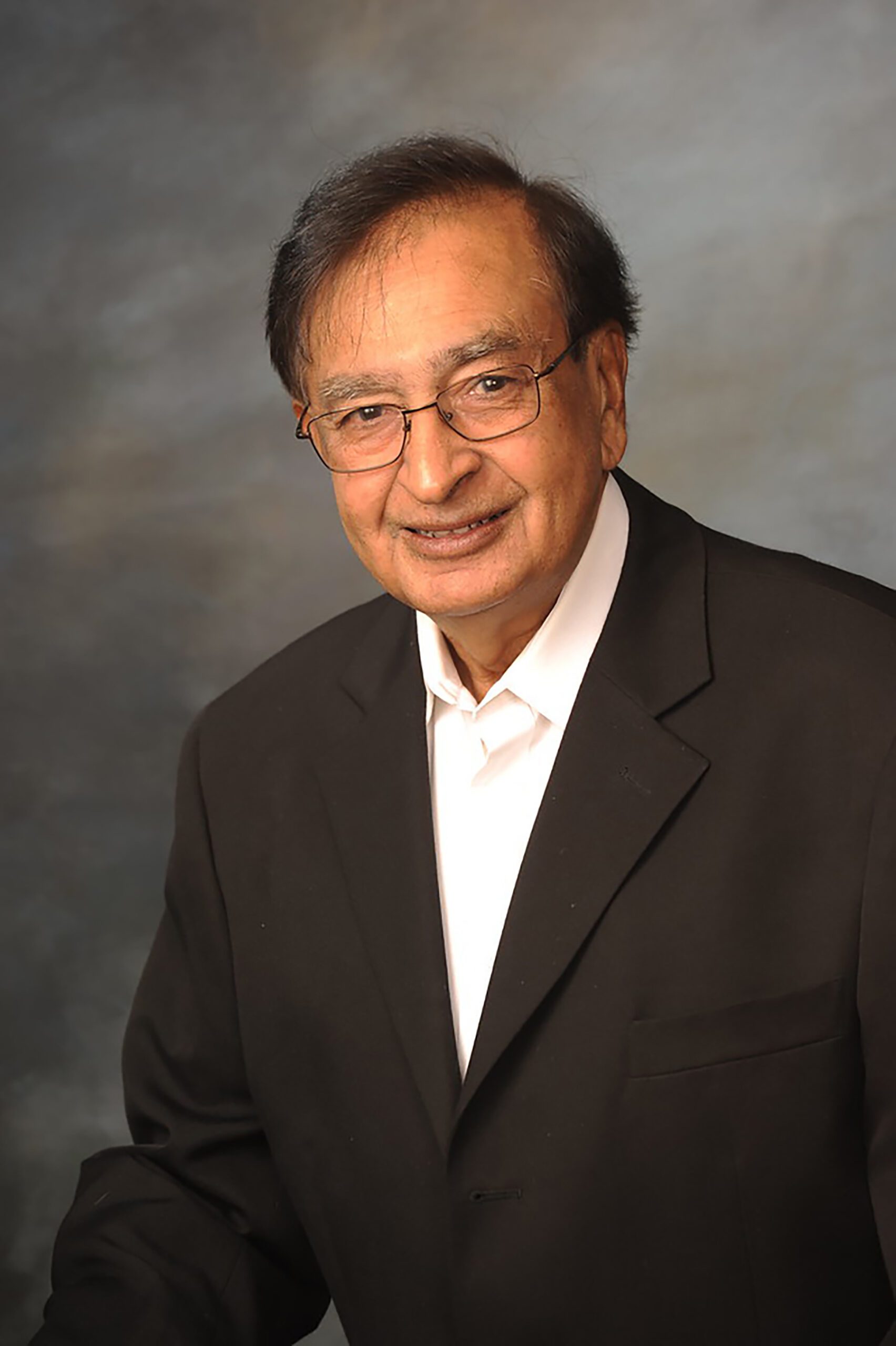
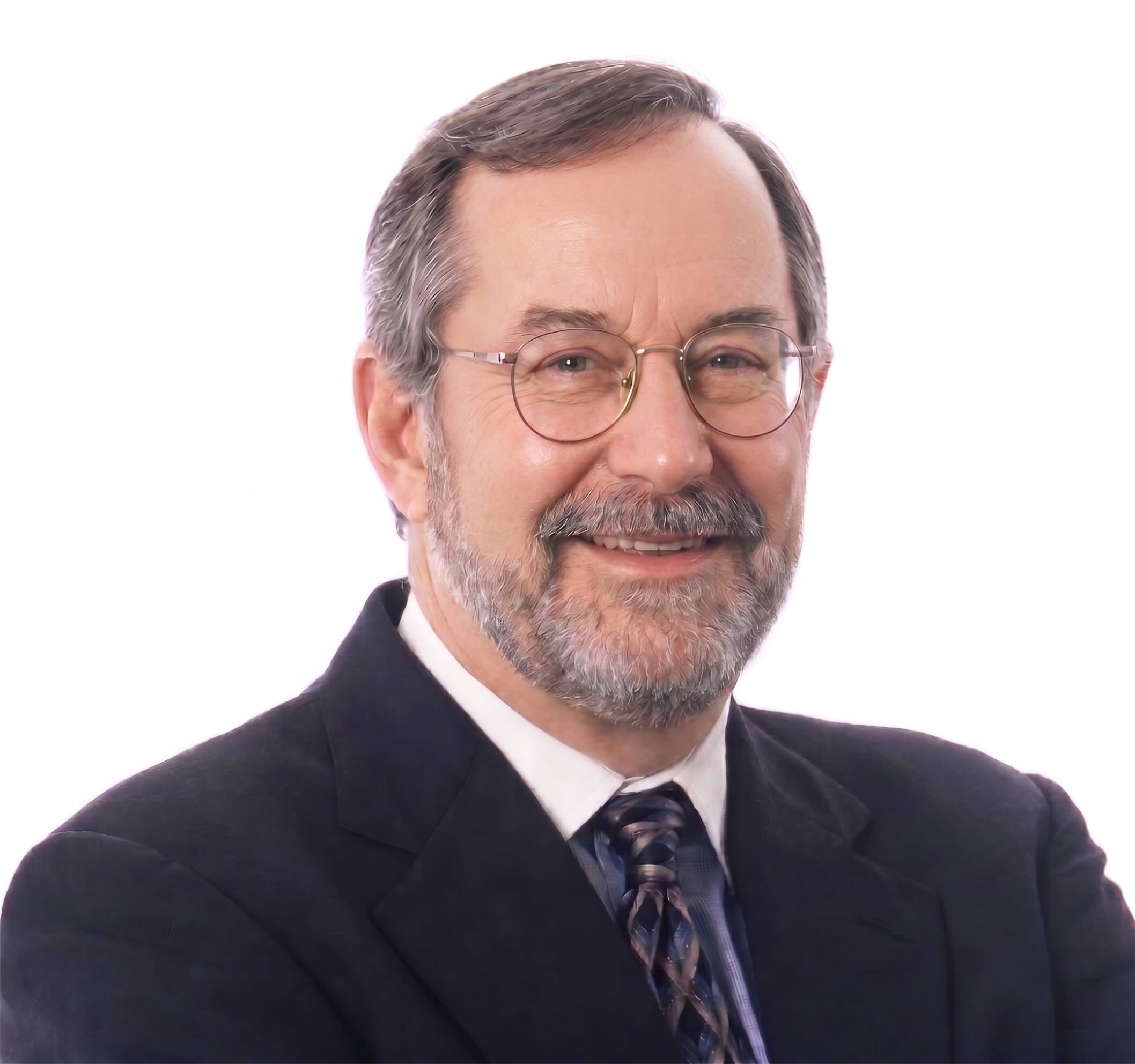







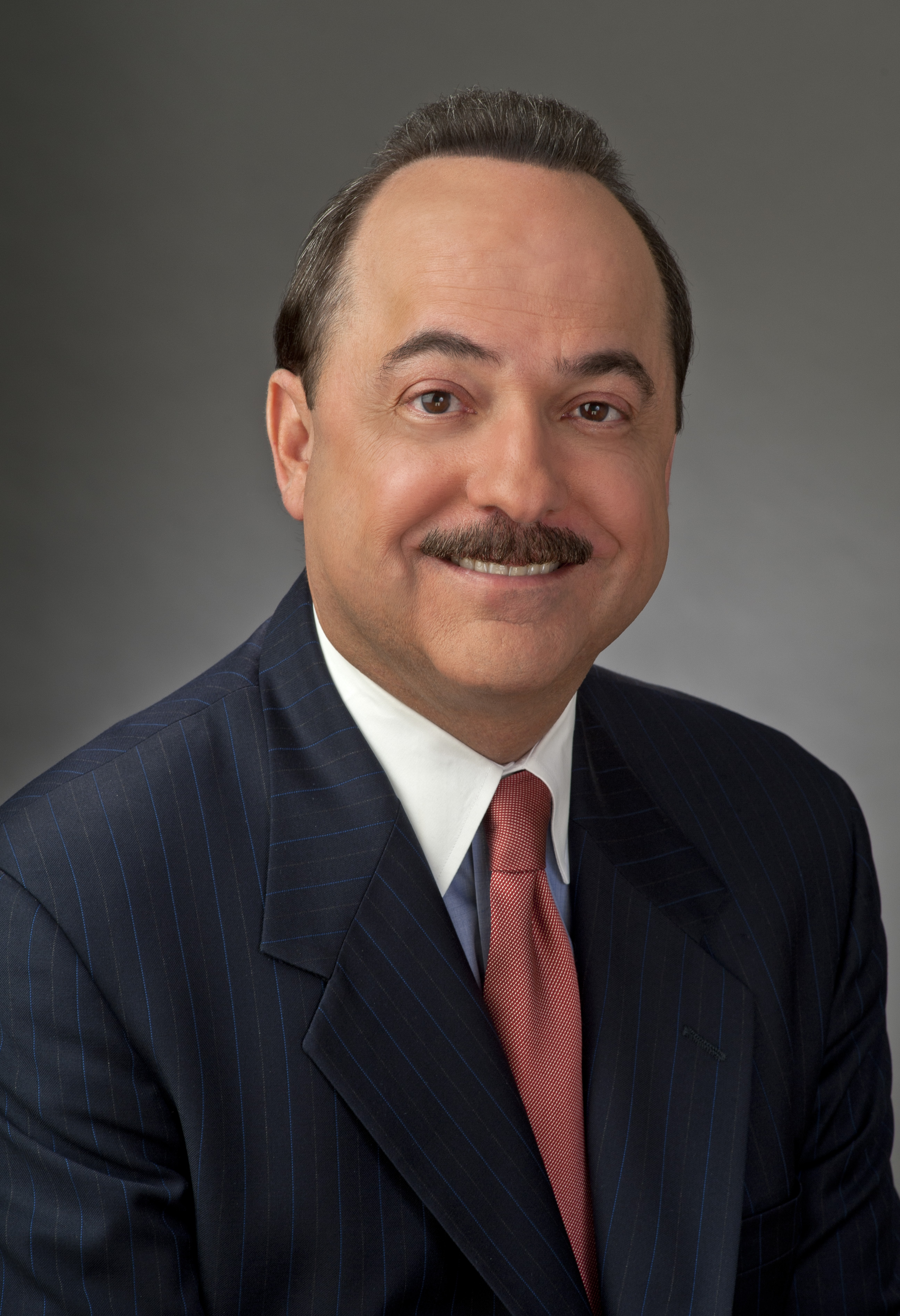


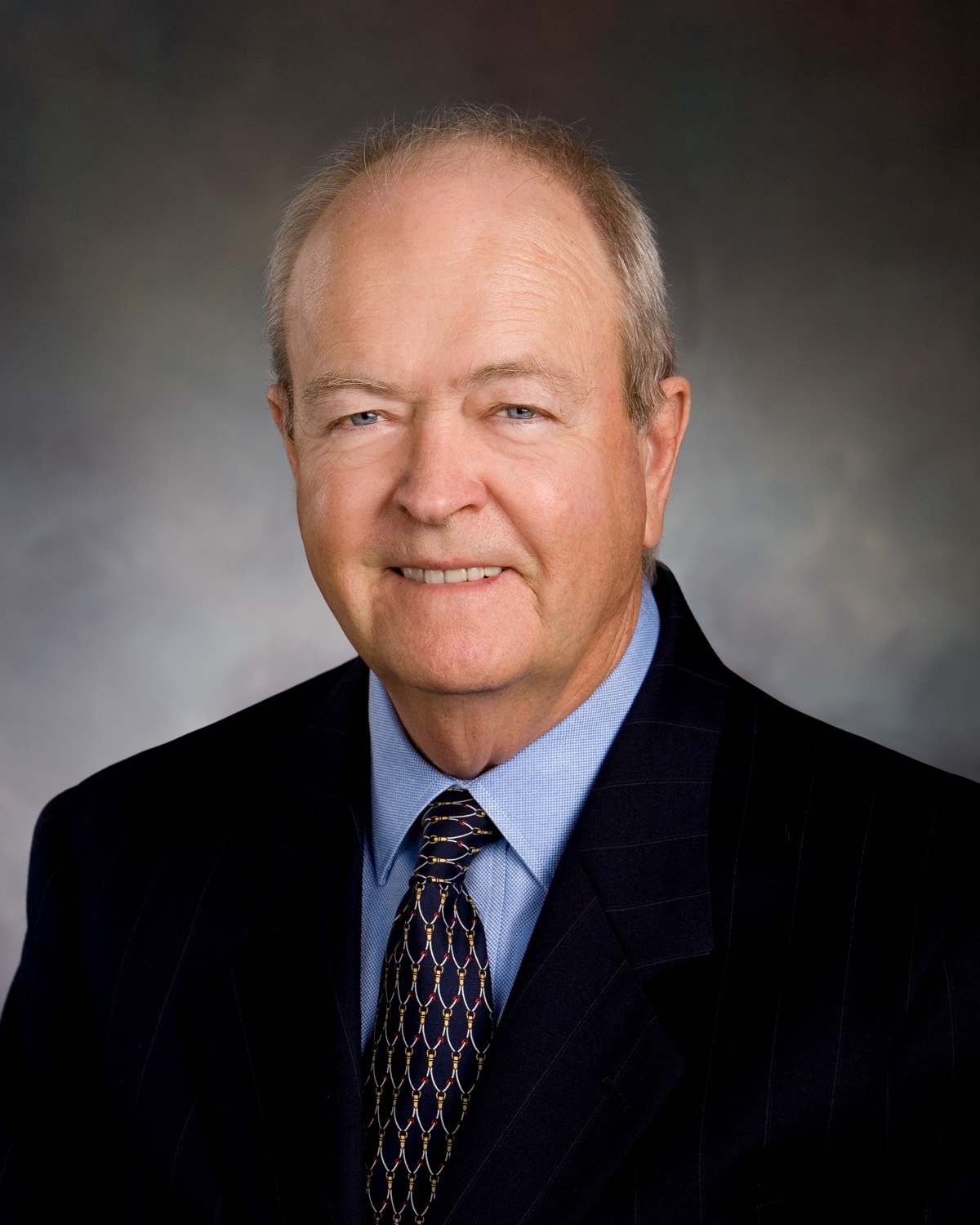


































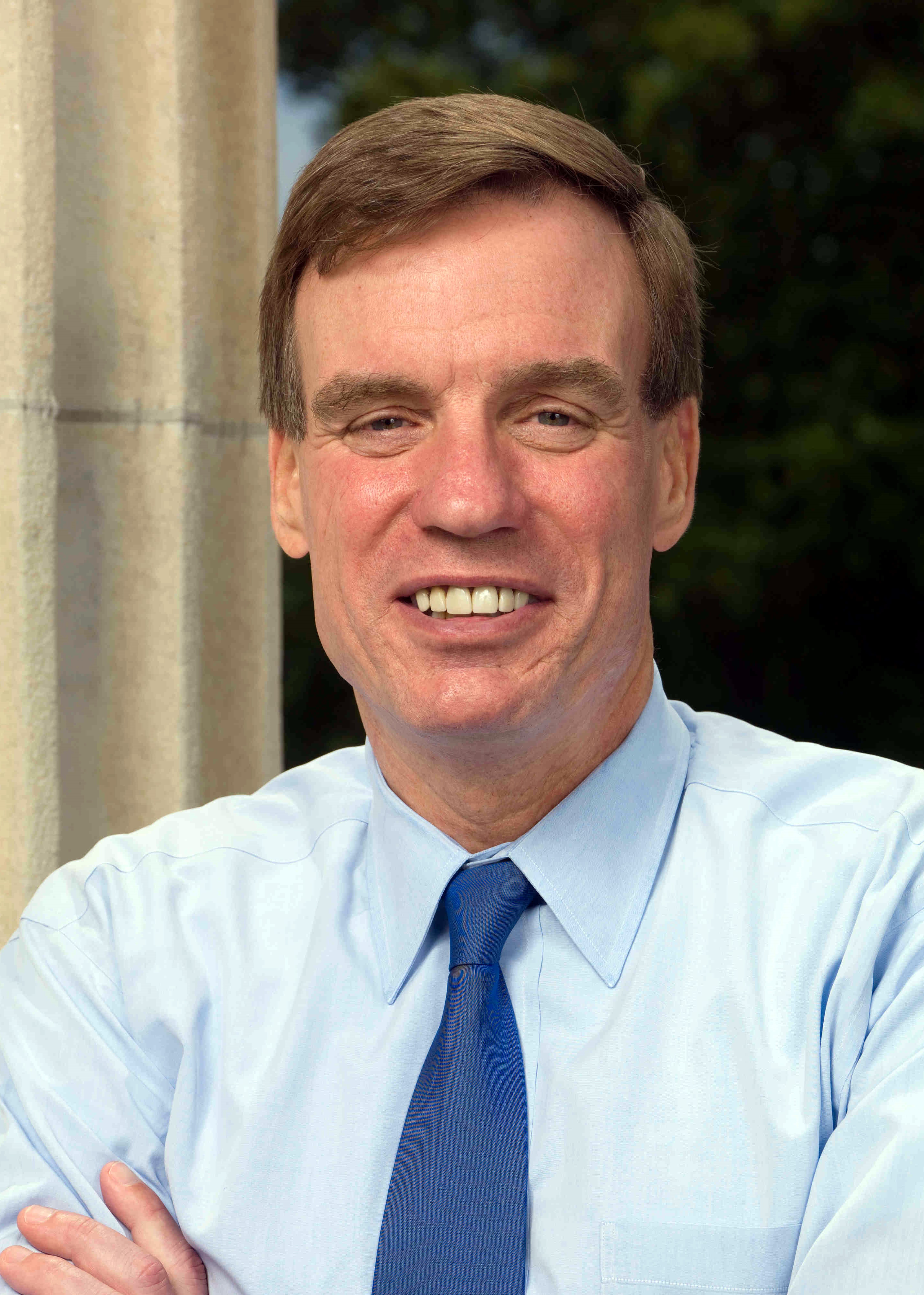




The full roster is also available in the WHF member directory.

