













AT&T is no longer describing copper theft as a nuisance; it’s calling it something far more coordinated.
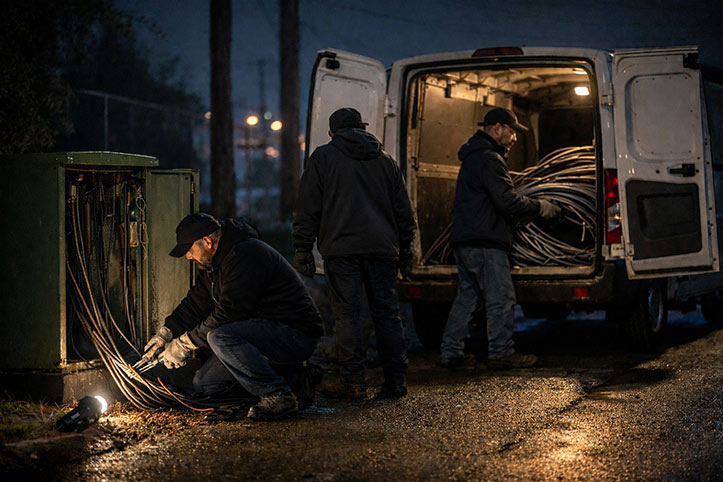
In a recent corporate blog post, the carrier said it is seeing “clear evidence of organized crime” behind a growing wave of copper theft incidents impacting its network infrastructure across the United States. The shift in language signals that what was once viewed as opportunistic theft, oftentimes by meth users, is now being treated as a structured and persistent threat.
A growing and costly problem
The scale of the issue is significant. AT&T reported more than 10,000 copper theft incidents in 2025 alone, with total damages exceeding $80 million. That equates to hundreds of incidents occurring each week across its network.
Certain regions have been hit particularly hard, with California accounting for a disproportionate share of both incidents and financial losses. The frequency and geographic concentration of these thefts have raised concerns that the activity is not random but coordinated.
From opportunistic theft to coordinated operations
What’s changed is not just the volume—but the method.
AT&T says many of the incidents now involve organized crews using heavy equipment and targeting multiple infrastructure points simultaneously. In some cases, thieves are striking the same network segments repeatedly, suggesting planning and familiarity with the infrastructure.
Those characteristics are a departure from isolated scrap-driven theft and instead point toward organized groups operating with intent and efficiency. The company’s global security team has indicated that the level of coordination being observed is consistent with criminal enterprises rather than individuals acting alone.
Impact extends beyond telecom networks
The damage caused by copper theft extends far beyond inconvenience. These incidents have disrupted emergency services, transportation systems, municipal lighting, and broadband connectivity. Entire neighborhoods have experienced outages, sometimes for extended periods, as repair crews work to restore service.
AT&T acknowledged that its teams are often caught in a reactive cycle—repairing infrastructure only to see it targeted again shortly thereafter. That cycle not only drives up costs but also places ongoing strain on network reliability.
A problem tied to legacy infrastructure
Despite the industry’s transition toward fiber, copper remains embedded throughout large portions of the nation’s communications and utility infrastructure. That legacy footprint continues to create vulnerability, particularly as the resale value of copper makes it an attractive target.
While fiber reduces exposure over time, the transition is far from complete, leaving carriers and municipalities with a network that must still be maintained—and protected.
A broader infrastructure challenge
AT&T’s acknowledgment of organized criminal involvement reframes copper theft as more than a cost-of-doing-business issue. It is now an infrastructure security problem—one that intersects with public safety, economic activity, and the reliability of essential services.
As carriers continue to invest in next-generation networks, they are also being forced to defend aging ones. And in many cases, that means protecting infrastructure that is quite literally being cut out from under them.

