

















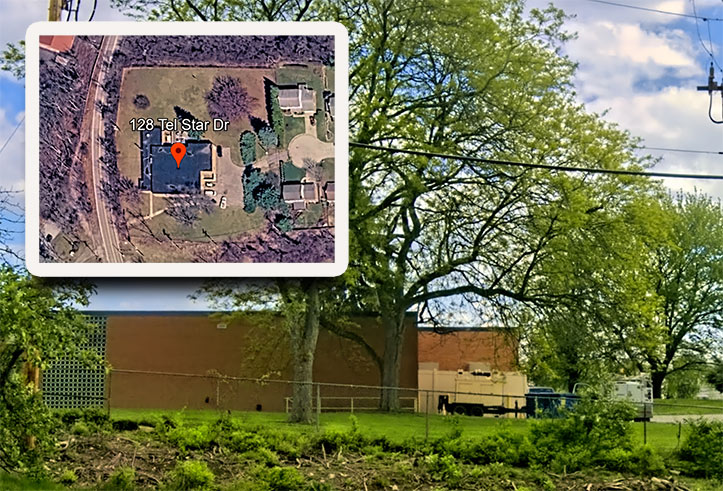
A Pennsylvania appellate court has sided with a local municipality in a zoning dispute that will prevent Verizon from constructing a proposed 100-foot monopole in Pleasant Hills, ruling that the borough acted within its authority when it revoked prior approval after the company failed to secure required permits.
In a decision issued by the Commonwealth Court of Pennsylvania, the panel affirmed that Verizon’s approval was contingent on obtaining additional site plan authorization—something the carrier did not complete within the prescribed timeframe.
Permit lapse proved decisive
The case centered on whether the borough could rescind its earlier approval after Verizon failed to complete the required permitting steps. Verizon argued that the municipality improperly reversed course. The court disagreed, finding that the borough’s process and enforcement of its zoning code were both lawful and consistent.
In effect, the ruling reinforces a key principle for infrastructure developers: initial approvals do not vest indefinitely if conditions—such as site plan review—are not satisfied.
Although Verizon carried the application and the legal burden, the underlying project team, typically including site acquisition, engineering, and construction firms, remains absent from the public record.
A multi-year path to a final decision
The dispute spanned several years, beginning with Verizon’s initial zoning approval at the borough level, followed by subsequent permitting issues and the revocation of that approval. The matter then moved through the Allegheny County Court of Common Pleas before ultimately reaching the Commonwealth Court.
From initial approval to the final appellate ruling, the process took approximately 2 to 3 years, underscoring how even relatively small-scale tower projects can become prolonged legal battles when local permitting requirements are contested.
While the ruling is specific to Pleasant Hills, it highlights a recurring friction point in wireless deployment: local land-use control versus carrier timelines for network expansion.
